

Why Investing in 1 Great Leather Belt Beats Buying 5 Cheap Ones
If you’ve ever replaced a belt and thought, “Didn’t I just buy this?” — you’re not alone.
Belts are one of those items most people don’t think about much. They’re inexpensive, easy to grab, and easy to replace. Until you add it up. Over time, buying cheap belts can quietly cost more — not just in money, but in convenience, comfort, and longevity.
This isn’t about spending more for the sake of it. It’s about understanding why one well-made leather belt often makes more sense than cycling through several budget ones.
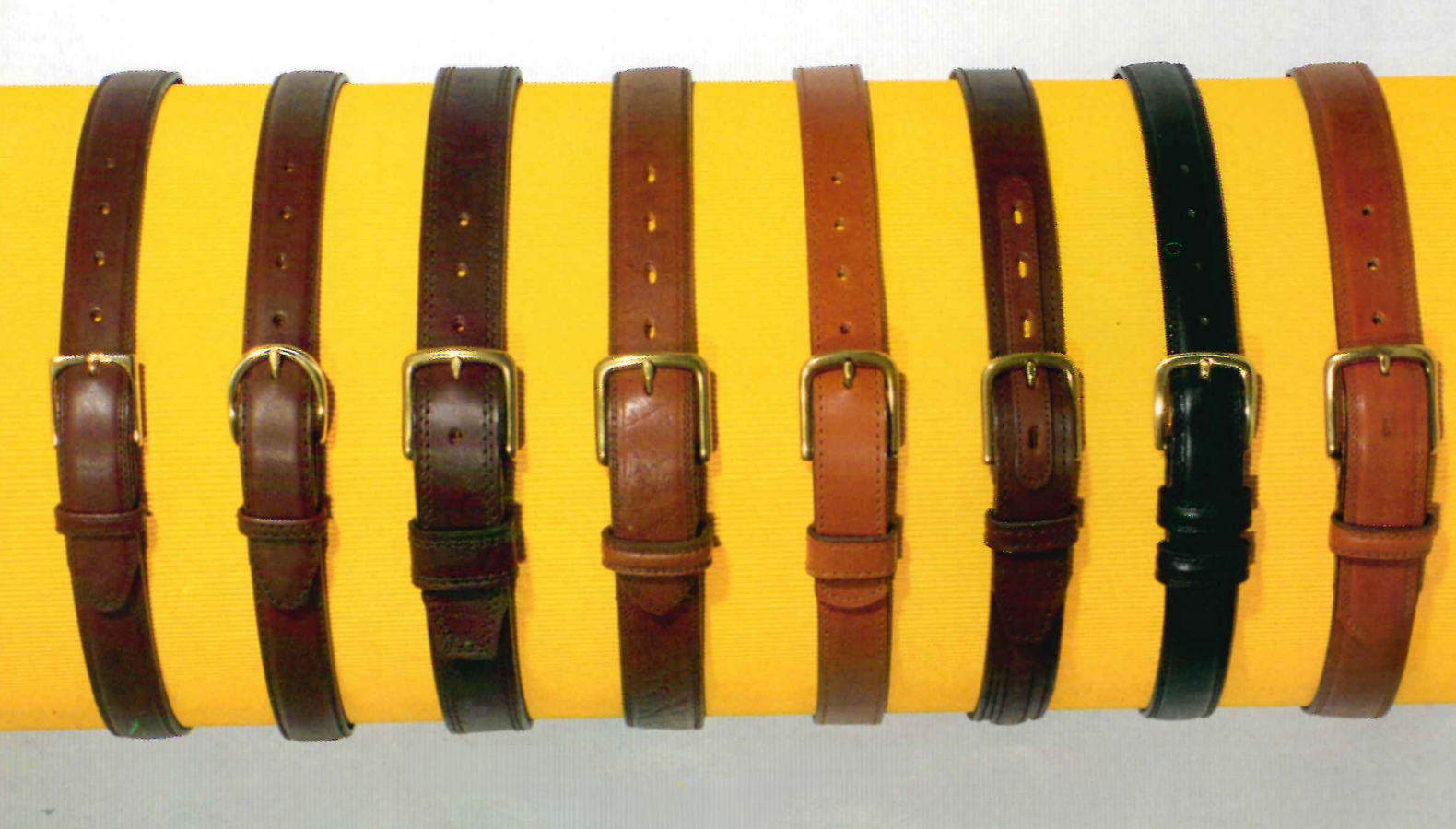
The Hidden Cost of Cheap Belts
At first glance, the maths seems simple. A $30 belt feels like a safer bet than a $120 one. But cheap belts usually fail in predictable ways:
- Cracking near the holes
- Peeling edges
- Warped or bent buckles
- Stretching that throws off the fit
Most budget belts are made using split or bonded leather, often coated to look smooth when new. Once that surface breaks down, there’s no fixing it — and it rarely takes long.
Replace that belt once a year for five years, and suddenly the “cheap option” isn’t cheap at all.
Cost-Per-Wear Tells a Different Story
A quality leather belt doesn’t compete on price — it competes on lifespan.
If a well-made belt lasts 10–15 years (which is common with full grain leather), the cost per wear becomes almost irrelevant. You stop thinking about replacement altogether.
This idea — buying fewer, better things — is central to slow fashion and minimalism. You’re not buying less. You’re buying once.
If you want a deeper breakdown of durability and pricing, this article on are expensive belts worth it explains the difference materials make over time.
Why Good Leather Ages Instead of Failing
There’s a fundamental difference between leather that ages and leather that breaks.
High-quality leather — especially full grain — keeps its natural fibre structure intact. Instead of cracking or peeling, it softens, darkens slightly, and develops a patina that reflects how you wear it.
Lower-grade leather relies on surface coatings to look good at first. Once that coating fails, the belt has nothing underneath to hold together.
That’s why two belts can look identical on the shelf but behave completely differently after a year of use.
Fewer Belts, Fewer Decisions
There’s also a practical side people don’t talk about much.
One great belt:
- fits properly every time
- works with most outfits
- doesn’t need replacing
- doesn’t sit unused in a drawer
Owning five cheap belts usually means:
- some stretch too much
- some don’t match well
- some feel uncomfortable
- most don’t last
The result? You still end up wearing the same one — until it fails.
Quality Isn’t About Being “Fancy”
This conversation often gets framed as luxury versus budget. That misses the point.
A good leather belt isn’t flashy. It’s not trend-driven. It’s not seasonal. It’s a functional item that should quietly do its job for years.
That’s why brands like Buckle 1922 focus on traditional construction, proper hides, and Australian manufacturing — not rapid turnover. The goal isn’t to sell you more belts. It’s to make the one you choose last.
The Sustainability Angle (Without the Lecture)
Buying one belt instead of five isn’t just easier on your wallet — it’s easier on everything else too.
- Less waste
- Fewer replacements
- Fewer resources used
- Fewer impulse purchases
Slow fashion isn’t about perfection. It’s about making fewer, better decisions where it actually matters. Belts are a good place to start because the difference in quality is immediately noticeable.
When Cheap Belts Do Make Sense
It’s worth saying this plainly: not everyone needs a premium belt for every situation.
Cheap belts can be fine for:
- temporary wear
- uniforms
- situations where damage is unavoidable
- short-term use
The problem starts when they’re treated as long-term solutions.
For something you wear almost every day, reliability matters.
What to Look for If You’re Buying One Belt Properly
If you’re going to invest in one good belt, a few things matter more than branding or price:
- Leather that isn’t heavily coated
- A consistent thickness along the strap
- Solid hardware
- Clean edges (not folded or glued)
- Minimal surface correction
If you want to understand these details more clearly, the Leather Guide explains how different leathers behave over time and what actually affects longevity.
One Good Belt Is Less About Spending — More About Choosing Well
This isn’t about telling anyone to “spend more”. It’s about spending once, with intention.
A well-made leather belt becomes something you stop thinking about. It fits. It holds. It wears in instead of wearing out. Years later, it still does the same job — often better than when it was new.
That’s not luxury. That’s just good design.
Related Questions
Are expensive leather belts really better?
Usually, yes — when the price reflects materials and construction, not branding.
How long should a quality leather belt last?
With proper leather and basic care, 10–20 years isn’t unusual.
Is full grain leather worth it for a belt?
For durability and ageing, full grain remains the strongest option.